

productOct 12, 2026
Awshook: 173 programs for AWS offense
Awshook is 173 deterministic programs that walk the full MITRE ATT&CK kill chain against an AWS account, from recon to impact, all through the AWS CLI and REST APIs.
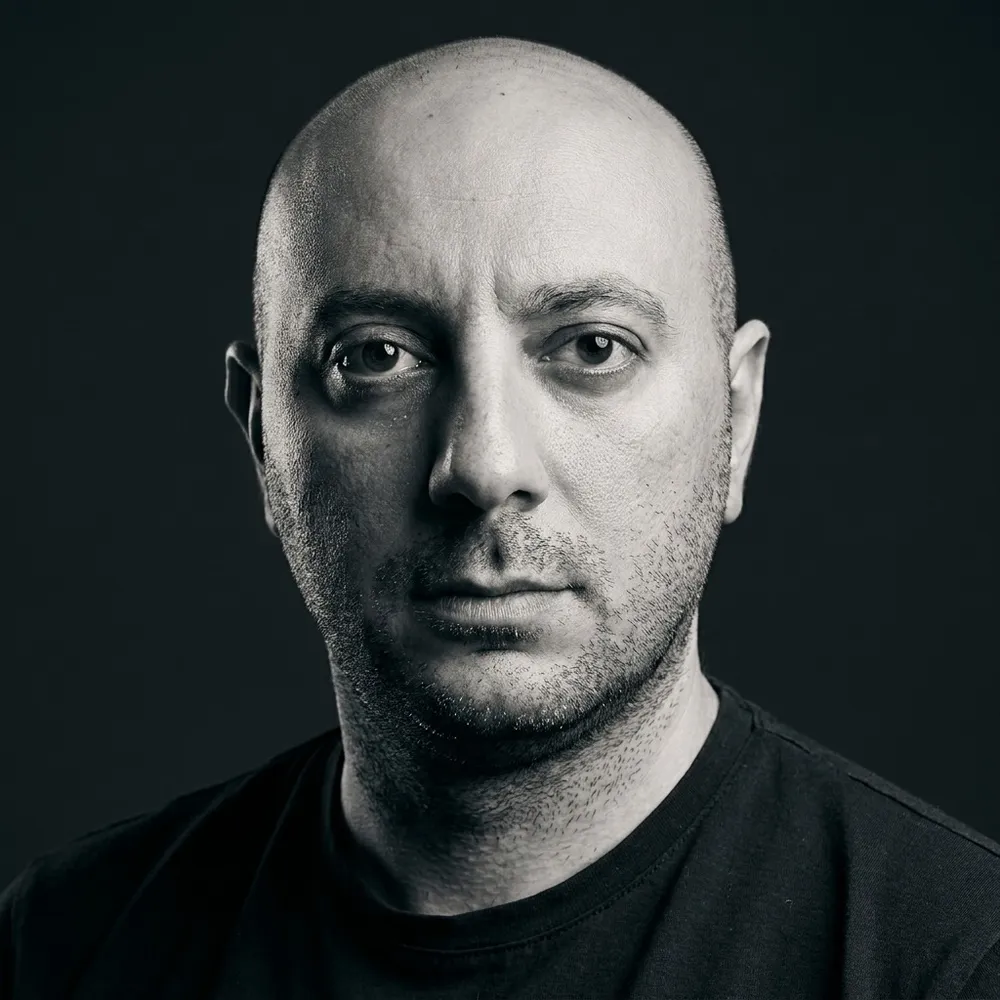
Founder & Maintainer
Orhan founded CyberStrike and maintains the project. He works across the agentic pentesting engine, the DAST pipeline and the platform that ties them together.
About
He spends most of his time on how findings are verified and prioritized, so teams act on real risk instead of noise.
Writing
Awshook is 173 deterministic programs that walk the full MITRE ATT&CK kill chain against an AWS account, from recon to impact, all through the AWS CLI and REST APIs.

How CyberStrike's Azure cloud domain works: a two-layer pipeline of 154 deterministic programs feeding 13 specialist AI agents, with 367 CIS benchmark skills and ~130 CWE mappings.

Azurehook is the deterministic execution layer behind CyberStrike's cloud domain: 154 programs that recon, extract, escalate, persist, move laterally, evade, exfiltrate and audit, all through Azure's own APIs.

AI-augmented penetration testing, across web and cloud: how CyberStrike pairs a deterministic engine and an industry-standard toolchain with reasoning AI agents, and lets them work alongside your own testers.

A short, first-person look at how CyberStrike splits a web assessment across specialist agents, keeps the reasoning with the AI, and uses a deterministic signal layer so evidence is never lost.

CyberStrike is AI-augmented, not AI-only. Here is how security engineers and teams drive it: mixing manual and autonomous testing, keeping a human in command, and shaping the models, agents, playbooks and rules.
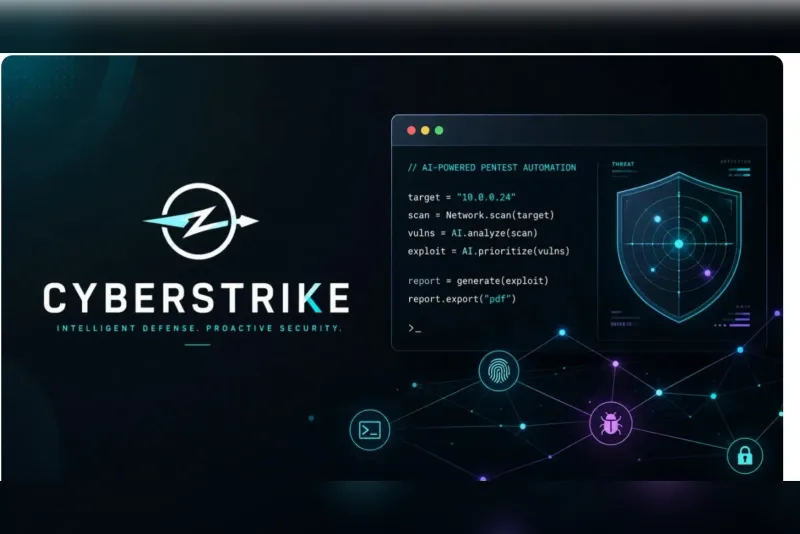
Cyber Security News profiled CyberStrike as an AI-powered platform that automates reconnaissance, vulnerability discovery, exploitation and reporting from the terminal.
Arctic Wolf Labs tore down the Go-based credential tool recovered from FortiBleed, showing how perimeter captures on FortiGate firewalls turn into full internal-network compromise.
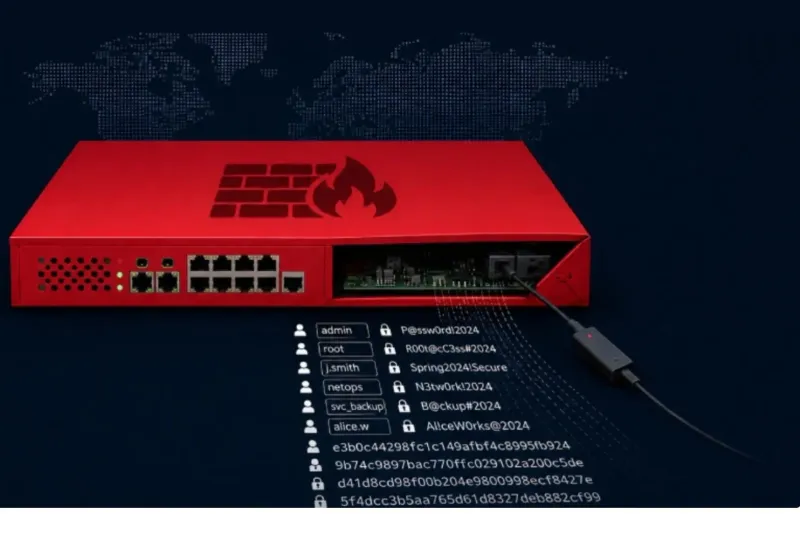
The Hacker News reported on FortiBleed, a Russian-speaking access broker that harvested 110M+ credentials from FortiGate and other gateways, without a single new vulnerability.
SoCRadar's Threat Research Unit published a 77-page teardown of FortiBleed: 430,000+ FortiGate firewalls in scope, 659 harvest cycles, 110M+ credentials, and a breach at a NATO-aligned defense contractor.
SpyCloud traced the servers behind FortiBleed and found FortiGate was only one target class in a broad, multi-vendor initial-access-broker operation.