
We test the way an attacker thinks
CyberStrike is open-source offensive security that reasons through the business-logic flaws a human pentester would catch, and verifies every finding, so you fix real risk, not false positives.
- Reasons through business logic, not just patterns
- Logic-aware
- Every finding is proven exploitable
- Verified
- AI-augmented pentest, plus AI-driven DAST and SAST
- One engine

Story
Why CyberStrike exists
CyberStrike started from a simple fact: attackers only need one way in, and most teams look for it a few times a year. A manual pentest lands months after the code that introduced the hole shipped, and the report is stale the day it arrives.
So it tests continuously instead. AI-augmented pentesting and DAST probe web apps, APIs and networks the way an attacker would, chain the small misconfigurations into real paths, and verify each finding so you act on actual risk, not a wall of maybes.
It is open source and built in the open. You can read exactly how it tests and what it reports. The goal doesn't change: find the gaps before someone else does.
Principles
How it works
01
Find it first
Attackers only need one way in. We look for it continuously, not once a quarter.
02
Every finding is verified
We confirm exploitability and cut the noise, so you fix real risk instead of triaging false positives.
03
Open by default
CyberStrike is open source. You can read exactly how it tests and what it reports.
Team
The people on call for you
Meet the whole team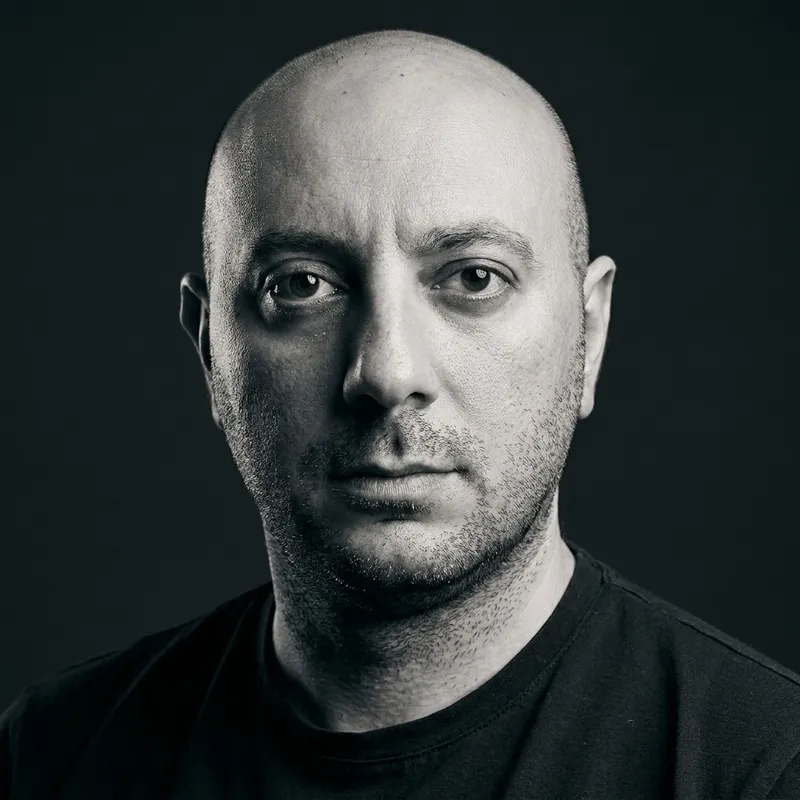
Founder & Maintainer
Orhan Yildirim
He works across the agentic pentesting engine, the DAST pipeline and the platform that ties them together.

Product Engineer
Carmen Vidal
She built the Terraform provider, the Navy CLI and the validation that catches config mistakes before they reach production.

Head of Design
Ingrid Solberg
She shaped the dashboard, the status page themes and the alert messages that land on phones at 3 a.m., where every word has to be clear on the first read.
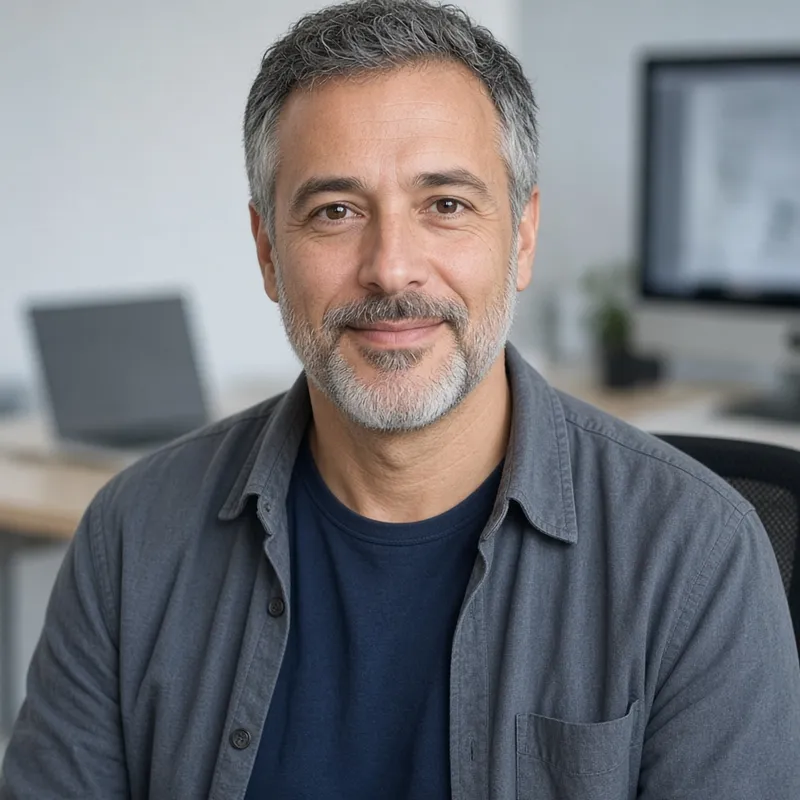
Co-founder and CTO
Marco Bianchi
He designed the check network that runs monitors every 30 seconds from 18 regions, and the confirmation model that waits for 3 regions to agree before anyone gets alerted.

Co-founder and CEO
Maya Lombardi
She started the company with one goal: alerts that engineers can trust, and status pages that tell customers the truth.

Backend Engineer
Paula Herrera
She owns the confirmation rounds that re-run a failed check from other regions, and the logic that decides when a failure becomes an outage.

Site Reliability Engineer
Samuel Ortiz
He keeps the check network running across all 18 regions and makes sure Navy stays up when the services it monitors do not.
Built in the open
CyberStrike is open source. Issues, ideas and pull requests are welcome. Come help find the gaps first.